01The milk system — or its absence
It's the component that decides whether you'll keep the machine. A system with
a dip tube must be rinsed after every use, otherwise it goes off.
A two-part detachable system washes in fifteen seconds. A
machine without a milk system simply doesn't have the problem — and that's
an argument, not a shortcoming, if you drink black.
02The grinder: ceramic or steel
Ceramic runs slower, heats the beans less and makes
far less noise. Steel is faster and costs three
times less to replace. In the cup, the difference is subtle. Early
morning in an open-plan kitchen, it isn't at all.
03How repairable the brew group is
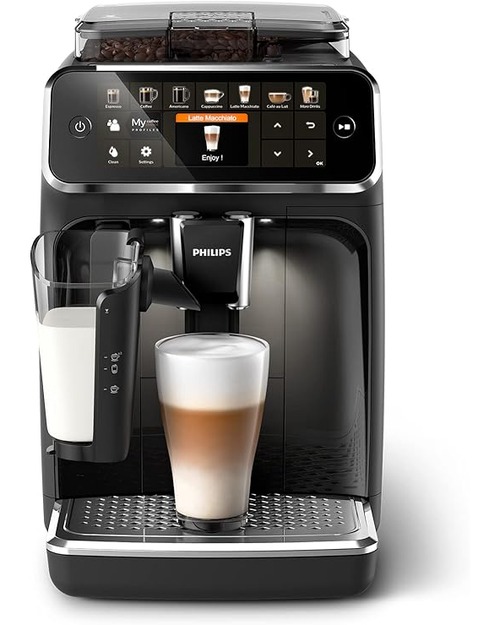
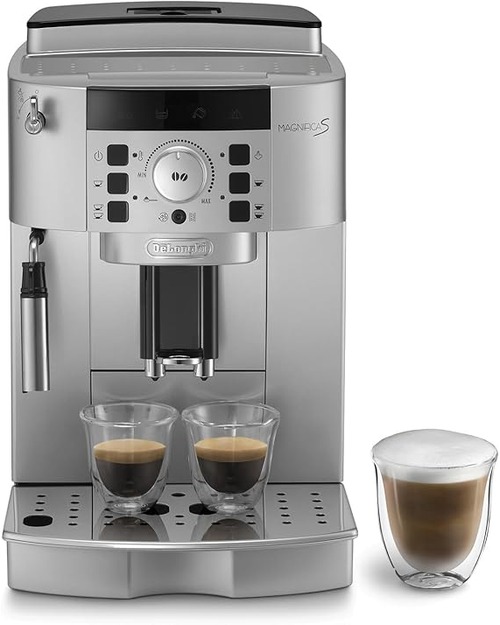
Two schools. Removable brew group (De'Longhi, Philips): you take it out,
rinse it under the tap, replace it yourself for 60 to 90 €.
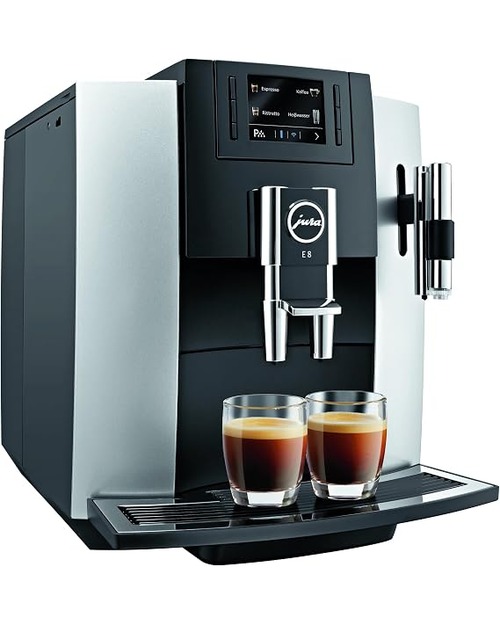
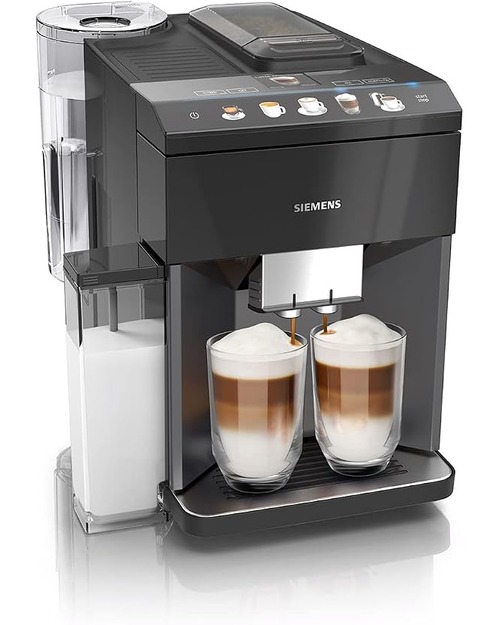
Fixed brew group (Jura, Siemens): automated maintenance, but any
intervention goes through a workshop. The first system ages better
in handy hands.
04Your water hardness
The most ignored and most destructive criterion. Above 20 °fH,
an unfiltered machine scales up within a few months. Check the
hardness with your water supplier before buying: if it's
high, budget for the filter cartridges, which cost 40 to 70 € per
year and determine the boiler's lifespan.
05Grind adjustment, not pressure
All these machines claim 15 bars, of which about 9 are actually
used at extraction: that figure discriminates nothing. What
matters is the range of the grind fineness adjustment and its progressiveness,
because it's the only lever you'll have to fix a
coffee that's too acidic or too bitter.
06Cost of ownership, not purchase price
Add it up over five years: descalers, filters, cleaning
tablets, a possible repair. The gap between an
'economical' machine with proprietary consumables and an expensive machine with
generic consumables can exceed 400 €, which is easily enough
to reverse a ranking built on the sticker price alone.